
Abstract
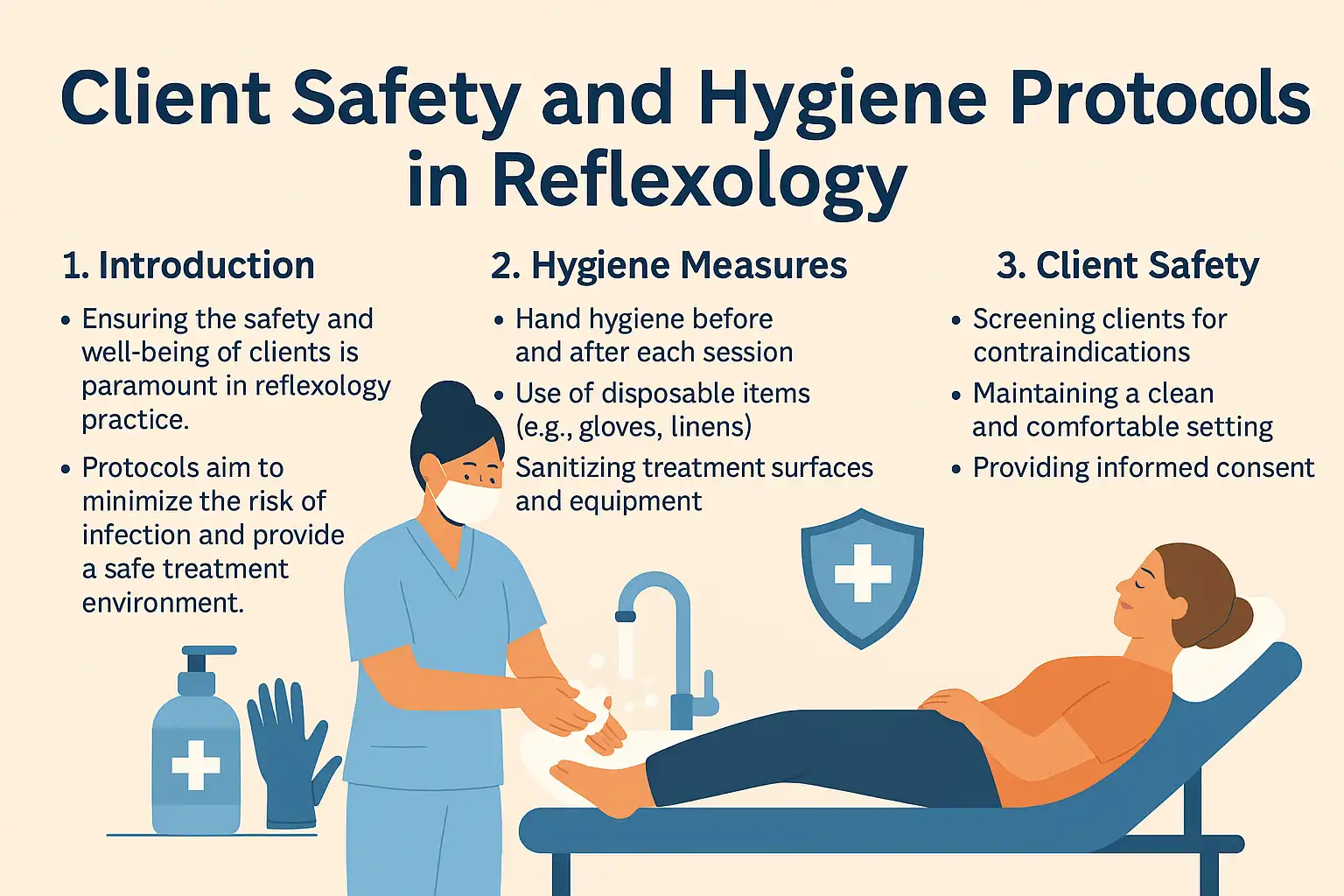
As reflexology grows in popularity as a complementary health practice, ensuring client safety and maintaining high hygiene standards are essential components of professional and ethical care. Despite its non-invasive nature, reflexology carries potential risks related to infection control, inappropriate application, or lack of practitioner training. This article explores evidence-based safety and hygiene protocols in reflexology practice, including pre-session assessment, infection prevention, practitioner hygiene, and client communication. Emphasis is placed on the importance of regulatory guidance, practitioner education, and universal precautions to uphold professional integrity and client well-being.
1. Introduction
Reflexology is a manual therapy that applies pressure to reflex zones on the feet, hands, or ears to support systemic health and relaxation. While considered low-risk, improper hygiene practices or failure to assess contraindications can compromise client safety. As reflexology integrates into wellness, clinical, and rehabilitation settings, standardized safety and hygiene protocols are increasingly necessary to minimize risks and promote public trust.
2. The Importance of Hygiene in Reflexology
Although reflexology does not involve skin penetration, it includes direct physical contact that can expose both clients and practitioners to skin infections, fungal conditions, and cross-contamination. Inadequate hygiene can undermine the therapeutic benefits of the treatment and lead to reputational or legal consequences.
Key risks include:
- Transmission of dermatological infections (e.g., athlete’s foot, plantar warts)
- Exposure to bodily fluids, especially with open cuts or skin lesions
- Cross-contamination via shared tools, linens, or surfaces
3. Pre-Session Client Assessment and Screening
A comprehensive client intake process is the foundation of safe reflexology. Practitioners should:
- Collect health history, including medications, allergies, and chronic conditions
- Identify contraindications, such as:
- Deep vein thrombosis (DVT)
- Active infections or wounds on the feet or hands
- Recent surgery
- Pregnancy (especially in the first trimester, unless appropriately trained)
- Assess the cleanliness and integrity of the client’s skin
- Obtain informed consent, outlining the scope, purpose, and risks of the session
4. Hygiene Protocols: Practitioner and Environment
4.1 Practitioner Hygiene
- Wash hands before and after each session using soap and water or hand sanitizer (minimum 60% alcohol)
- Keep nails trimmed and clean
- Avoid wearing jewelry on hands and wrists
- Wear gloves if there are cuts, rashes, or skin conditions on either party
4.2 Clean Treatment Environment
- Sanitize reflexology chairs, tables, and tools between clients
- Use fresh linens or towels for each session
- Ensure proper ventilation and adequate lighting
- Disinfect high-touch surfaces (door handles, treatment stools) regularly
4.3 Foot Hygiene (Client-Specific)
- Wipe or sanitize the client’s feet prior to treatment using antibacterial wipes or warm water with mild soap
- Offer disposable foot covers or socks post-treatment if desired
- Examine the feet for signs of infection or injury before beginning
5. Infection Control and Universal Precautions
Practitioners should adopt standard universal precautions, which assume that all clients may carry transmissible pathogens.
Universal protocols include:
- Using non-porous surfaces and washable materials
- Proper disposal of single-use items (e.g., paper towels, gloves)
- Availability of first aid supplies in case of accidental injury
- Use of face masks or shields when necessary (e.g., in pandemic conditions or immunocompromised clients)
6. Ethical and Legal Considerations
Client safety is both a clinical and legal responsibility. Practitioners should:
- Hold liability insurance where applicable
- Maintain up-to-date certification in reflexology and hygiene protocols
- Follow national or regional regulatory guidance, if available
- Document each session, noting any health issues, reactions, or deviations from standard practice
7. Client Communication and Education
Client safety is enhanced by clear, open communication:
- Explain the hygiene measures being taken and why
- Encourage clients to disclose health concerns or skin issues
- Provide aftercare advice (e.g., hydration, signs of delayed discomfort)
- Reassure clients about their right to stop the session at any time
8. Recommendations for Best Practice
| Protocol Area | Recommended Practice |
|---|---|
| Hand hygiene | Wash before and after treatment |
| Client screening | Health history + contraindications |
| Equipment hygiene | Disinfect surfaces and change linens between clients |
| Skin contact | Avoid working over open wounds or infections |
| Documentation | Keep records of client health status and session notes |
9. Conclusion
Safety and hygiene protocols are integral to responsible reflexology practice. While the therapy itself is gentle and non-invasive, potential health risks remain if best practices are not followed. By standardizing safety measures—including pre-session screening, infection control, and practitioner hygiene—reflexologists can ensure ethical, safe, and professional care. Further education and regulatory oversight may support broader public trust and clinical integration of reflexology.
References
- World Health Organization (2009). WHO Guidelines on Hand Hygiene in Health Care.
- Reflexology Association of America (2021). Code of Ethics and Standards of Practice.
- Stephenson, N. L., & Dalton, J. A. (2003). Foot reflexology: A review of evidence and best practice. Journal of Complementary Therapies in Clinical Practice, 9(2), 62–67.
- National Center for Complementary and Integrative Health (NCCIH). (2020). Safety of Complementary Health Approaches.